- (702) 530-2549
- admin@mindwellpsychiatricservices.com
- Tue - Sat: 10:00 AM - 06:00 PM
PTSD Treatment in Las Vegas
Compassionate Care to Help You Move Forward from Trauma

Schedule an Appointment
What Is PTSD?
PTSD: Post-Traumatic Stress Disorder develops after experiencing or witnessing a traumatic event. It’s not a sign of weakness. It’s a normal response to abnormal circumstances, and it’s a condition that responds well to treatment.
MindWell psychiatric services in Las Vegas provide compassionate PTSD treatment. Our veteran-owned practice understands trauma firsthand. Whether you’re dealing with combat-related PTSD, childhood trauma, assault, accidents, or any other traumatic experience, we’re here to help you process what happened and move forward.
Understanding PTSD
Trauma changes the brain. When you experience something overwhelming, your brain’s alarm system can get stuck in “on” mode. Sounds, smells, or situations that remind you of the trauma can trigger intense fear responses, even when you’re safe.
PTSD isn’t just “being upset” about something bad that happened. It’s a condition where the trauma continues to affect your thoughts, emotions, body, and behavior long after the event is over. Your brain is trying to protect you, but the protection has become the problem.
The good news is that PTSD is treatable. With proper care, most people experience significant relief from symptoms and regain their quality of life.
How PTSD Affects Daily Life
PTSD doesn’t stay contained to memories of the trauma. It bleeds into every part of life:
- Relationships — Emotional numbness, difficulty trusting, withdrawing from loved ones, irritability
- Work — Difficulty concentrating, being easily startled, avoiding situations that trigger memories
- Sleep — Nightmares, insomnia, fear of going to sleep
Sleep disruption is one of the most damaging PTSD symptoms.
Read about the connection between sleep problems and mental health. - Physical health — Chronic tension, headaches, stomach problems, fatigue
- Mental health — Depression, anxiety, substance use as a coping mechanism
Without treatment, PTSD symptoms can persist for years or even decades. But with the right support, healing is possible.
Signs and Symptoms of PTSD
PTSD symptoms typically fall into four categories. Symptoms usually begin within three months of the trauma, but sometimes emerge years later.
Avoidance Symptoms:
- Avoiding thoughts, feelings, or memories of the trauma
- Avoiding people, places, or situations that trigger memories
- Refusing to talk about what happened
- Emotional numbness or feeling detached
Intrusive Symptoms:
- Unwanted, distressing memories of the trauma
- Flashbacks — feeling like the trauma is happening again
- Nightmares related to the event
- Intense emotional distress when reminded of the trauma
- Physical reactions (racing heart, sweating) to trauma reminders
Negative Changes in Mood and Thinking:
- Persistent negative beliefs about yourself or the world
- Blaming yourself or others for the trauma
- Ongoing fear, horror, anger, guilt, or shame
- Loss of interest in activities you used to enjoy
- Feeling detached from others
- Difficulty experiencing positive emotions
Changes in Reactivity:
- Being easily startled or frightened
- Always being on guard (hypervigilance)
- Difficulty sleeping
- Irritability or angry outbursts
- Difficulty concentrating
- Self-destructive behavior
If these symptoms have lasted more than a month and are affecting your daily life, it’s time to seek help.
Types of Trauma That Can Cause PTSD
There’s No Hierarchy of Trauma. What Matters Is How It Affected You.
Combat and Military Trauma
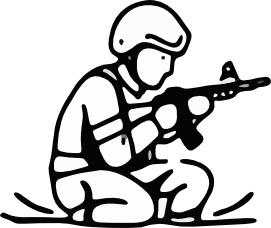
Veterans may develop PTSD from combat exposure, military sexual trauma, or other service-related experiences. Our veteran-owned practice has a deep understanding of military trauma because our provider lived it. Many veterans struggle to find psychiatrists who understand their experiences. At MindWell, you will not have to explain what a deployment does to you. Read more about our specialized approach to veteran mental health care.
Childhood Trauma
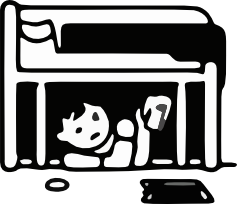
Abuse, neglect, domestic violence, or adverse childhood experiences can lead to PTSD that persists into adulthood. Often goes unrecognized for years.

Sexual Assault and Abuse
Survivors of rape, sexual assault, or ongoing abuse frequently develop PTSD. Shame often prevents people from seeking help, but treatment makes a profound difference.

Accidents and Injuries
Car accidents, workplace injuries, or serious medical events can trigger PTSD. Trauma doesn’t have to involve violence to be valid.
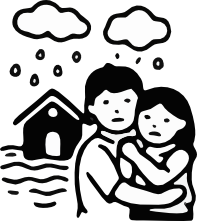
Other Traumatic Events
Natural disasters, violent crimes, sudden loss, or any experience that threatened your life or safety, and generated a strong emotional response or feeling. If it traumatized you, it counts.
Trauma often leads to other conditions as well. Many people with PTSD also experience anxiety, depression, or both. Treating PTSD can help improve these related symptoms too.

When to Seek Help
Many people with PTSD try to cope on their own. They may feel ashamed, think they should be “over it” by now, or believe that nothing can help. But PTSD rarely improves without treatment, and effective treatment exists.
Consider reaching out if:
- Traumatic memories are interfering with daily life
- You’re having nightmares or flashbacks
- You’re avoiding people, places, or activities because of trauma
- You feel emotionally numb or disconnected
- You’re always on edge or easily startled
- You’re using alcohol or drugs to cope
- Relationships are suffering because of trauma symptoms
- You’ve had thoughts of hurting yourself
Asking for help takes courage. At MindWell, we offer a safe and judgment-free environment where you can start your healing journey. Not sure if what you’re experiencing is PTSD? Read about the signs it’s time to seek psychiatric help.
How MindWell Treats PTSD
At MindWell Psychiatric Services, we approach PTSD treatment with compassion and expertise. Our veteran-owned practice understands trauma, and we’re committed to helping you find relief.
Psychiatric Evaluation
Your treatment begins with a comprehensive evaluation. We’ll discuss your trauma history, current symptoms, and how PTSD is affecting your life. This is done at your pace; you’re never pressured to share more than you’re ready to.
Medication Management
Medication can be an effective part of PTSD treatment. SSRIs and other medications can help reduce symptoms like anxiety, depression, nightmares, and hyperarousal. We carefully select and monitor medications to find what works best for you.
Genetic Testing
Finding the right medication can involve trial and error. Genetic testing analyzes your DNA to identify which medications are most likely to be effective, helping you find relief faster with fewer side effects.
Personalized Treatment Plans
PTSD treatment isn’t one-size-fits-all. We consider your specific trauma, symptoms, and goals. Your plan may include medication, therapy referrals, lifestyle strategies, or a combination, whatever will help you heal.
Ongoing Support
Recovery from trauma is a process. We provide ongoing medication management and regular check-ins to monitor your progress. As your needs change, your treatment plan adapts. You’re never alone in this.
Getting Started with PTSD Treatment
Taking the first step can be intimidating, especially when trauma has taught you not to trust. Here’s what to expect at MindWell.
Step 1: Schedule an Evaluation
Contact us by phone or through our website to book your first appointment. Same-day appointments are available for cash-pay patients, and we typically see insurance patients within a few days.
Step 2: Your First Visit
Your initial visit is a comprehensive psychiatric evaluation lasting 60-90 minutes. We’ll talk about your symptoms and history at whatever pace feels comfortable. You don’t have to share every detail of your trauma; we just need to understand how it’s affecting you now.
What to bring:
- Insurance card (if applicable)
- List of current medications
- Notes on your symptoms and questions you want to ask
Step 3: Your Treatment Plan
Based on your evaluation, we’ll create a personalized treatment plan. This typically includes medication management and may include therapy referrals. We’ll explain everything clearly so you know what to expect.
Step 4: Ongoing Care
We schedule regular follow-up appointments to monitor your progress and make adjustments as needed. Healing from trauma takes time, and we’re with you every step of the way.

Frequently Asked Questions
Can PTSD be cured?
Many people experience a significant reduction in PTSD symptoms with treatment. While the memory of trauma doesn’t disappear, treatment helps you process it so it no longer controls your life. Many people recover fully and go on to live fulfilling lives.
How long does PTSD treatment take?
Everyone’s timeline is different. Some people see improvement within weeks of starting medication. Others need longer. We monitor your progress closely and adjust treatment as needed.
Do you prescribe medication for PTSD?
Yes. Michael Kuron is a board-certified psychiatric nurse practitioner who can prescribe medications commonly used for PTSD, including SSRIs, prazosin (for nightmares), and other options as appropriate.
Do I have to talk about my trauma in detail?
No. While understanding your trauma helps us treat you, you’re never pressured to share more than you’re comfortable with. Treatment can be effective even without recounting every detail.
Do you treat veterans?
Yes. MindWell is a veteran-owned practice, and we have deep experience treating combat-related PTSD and other military trauma. We accept Tricare and other VA-related insurance. Read more about why veterans struggle to find psychiatrists who understand.
Does insurance cover PTSD treatment?
Yes, most insurance plans cover psychiatric services for PTSD. We accept most major insurance plans including Ambetter, CHAMPVA, Cigna, Optum, Medicaid, Medicare, United Healthcare, Tricare, TriWest, Molina, Aetna, Carelon, and Anthem Blue Cross Blue Shield.
Get the care that is right for you
You don’t have to keep living with the weight of trauma. With the right treatment, you can process what happened, reduce your symptoms, and reclaim your life. At MindWell Psychiatric Services, we’re here to help you take that first step.
We are located at “800 N Rainbow Blvd, Suite 208, Las Vegas, NV 89107”
Phone: (702) 530-2549
Open from 10:00 AM to 06:00 PM | Tuesday to Saturday