- (702) 530-2549
- admin@mindwellpsychiatricservices.com
- Tue - Sat: 10:00 AM - 06:00 PM

Suboxone Treatment in Las Vegas
A Safe, Supportive Path to Recovery
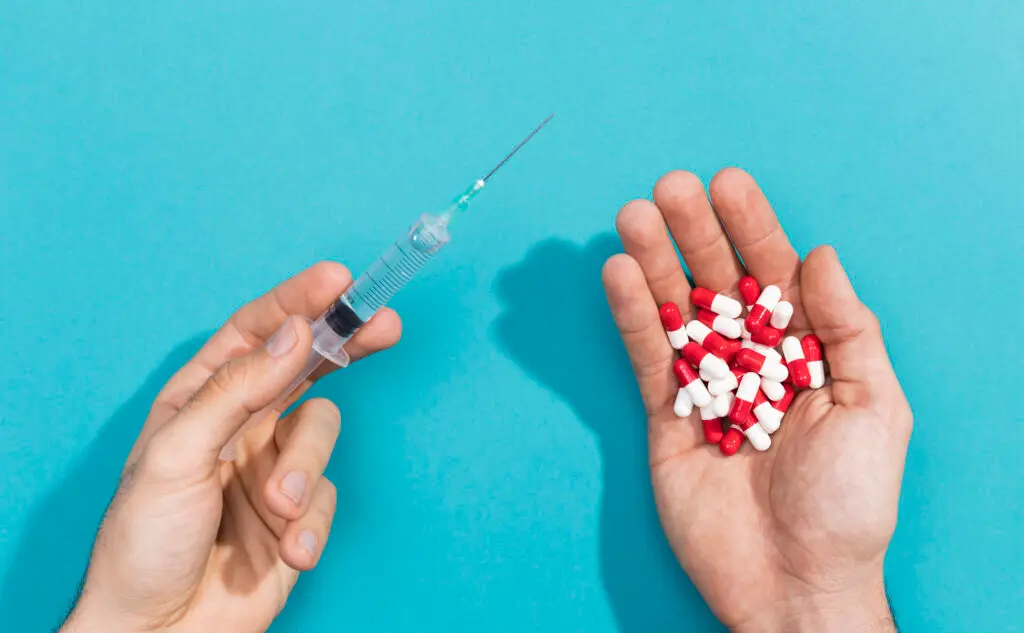
Las Vegas Suboxone Treatment
At MindWell Psychiatric Services, our Las Vegas Suboxone Treatment program helps individuals safely overcome opioid dependence. We understand that recovery isn’t just about stopping the use of substances. Instead, it’s about rebuilding your life, health, and confidence in a caring environment.
Our experienced team provides medical supervision, therapy, and ongoing support. As a result, you can manage withdrawal, reduce cravings, and move toward lasting recovery. Learn more about medication management and what to expect during treatment.
What Is Suboxone
Suboxone is a trusted medication used to treat opioid addiction. It combines two key ingredients:
- Buprenorphine, which eases withdrawal symptoms and cravings without creating a “high.”
- Naloxone, which helps prevent misuse and supports safe recovery.
When prescribed and monitored by professionals at our Las Vegas Suboxone Clinic, Suboxone helps patients regain stability. Additionally, it allows them to focus on healing, physically, mentally, and emotionally.
Schedule an Appointment
Benefits of Suboxone Treatment
- First, it relieves withdrawal symptoms and reduces cravings.
- Second, it allows you to live and work normally while in recovery.
- Third, it lowers the risk of relapse and supports long-term success.
- Finally, it offers a confidential, compassionate environment for healing.
Our goal is to make recovery manageable and achievable, one step at a time. If you or a loved one is struggling with opioid addiction, help is available right here in Las Vegas.

Co-Occurring Mental Health Conditions
Addiction rarely exists in isolation. Many people struggling with opioid dependence also experience mental health conditions that contributed to or developed alongside their addiction:
- Depression – Opioid use and withdrawal can both trigger or worsen depressive symptoms.
- Anxiety – Many people originally used opioids to cope with anxiety
- PTSD – Trauma and opioid addiction frequently co-occur
- Bipolar Disorder – Mood instability can complicate recovery without proper treatment
At MindWell, we treat the whole person, not just the addiction. Your Suboxone treatment plan can include medication management for co-occurring conditions, giving you the best chance at lasting recovery. Recovery can bring emotional challenges you did not expect. Read about managing anxiety and depression during Suboxone treatment.
Insurance and Payment
MindWell accepts most major insurance plans for Suboxone treatment:
No insurance? Self-pay options are available. Contact us for current rates.
- ChampVA
- Ambetter
- Cigna/Evernorth
- Optum
- United Healthcare
- Tricare
- TriWest
- Aetna
- Carelon
- UMR
- NV Medicaid
- Anthem BCBS
- Anthem Medicaid
- Molina Medicaid
- Silversummit Medicaid
- Medicare
No insurance? Self-pay options are available. Contact us for current rates.
How We Help
Our treatment process is built around your safety and success:
Comprehensive Evaluation – First, we start with a full medical and psychological assessment to understand your unique needs.
Personalized Treatment Plan – Next, your provider creates a plan that includes Suboxone medication, therapy, and support services.
Ongoing Monitoring – Then, regular check-ins ensure your dosage and progress remain on track.
Holistic Support – Finally, we combine medication-assisted treatment with counseling to address both addiction and underlying concerns.
Your Path Through Suboxone Treatment
Suboxone treatment is a clinically guided process, not a single appointment. Below is what your treatment with MindWell looks like at each stage — from your first evaluation through long-term recovery. Your timeline will be personalized, but the framework is the same for every patient.
1
Your First Appointment
Your initial visit is a full psychiatric evaluation, not a quick intake form — typically 45 to 60 minutes. We review your opioid use history, previous quit attempts, current medications, and overall mental health. Because opioid use disorder often coexists with depression, anxiety, or PTSD, we screen for and treat these conditions at the same appointment rather than treating them as separate problems. By the end of your visit, you leave with a clear, individualized treatment plan.
2
Your First Dose
Suboxone cannot be started while opioids are still active in your system — doing so can trigger precipitated withdrawal, which is significantly worse than ordinary withdrawal. We coordinate timing with you: usually a 12 to 24 hour wait after short-acting opioids (heroin, oxycodone) and 24 to 72 hours after longer-acting opioids (methadone, fentanyl). Once you are in mild withdrawal, you place the film under your tongue. It dissolves in 5 to 10 minutes. Most patients feel cravings, body aches, and anxiety ease within 30 to 60 minutes.
3
Finding Your Right Dose
Your starting dose is rarely your final dose. Over the first 1 to 2 weeks, we titrate carefully — the goal is a dose that stops cravings and prevents withdrawal without sedation or mental fog. Expect a follow-up appointment within a few days of starting, then weekly check-ins until your dose is stable. Common early side effects (headache, mild nausea, constipation, sleep disruption) typically resolve as your body adjusts. We adjust based on how you are feeling, not a generic protocol.
4
Settling Into Treatment
Once your dose is stable, you move into maintenance. Unlike methadone, Suboxone is taken at home daily — no daily clinic visits required. Medication-management appointments shift from weekly to every 2 to 4 weeks once you stabilize, typically 15 to 30 minutes each, and often available via secure telehealth after your initial in-person visit. This phase is also when we go deeper on co-occurring conditions: if you are managing depression, anxiety, or PTSD alongside opioid use disorder, we treat them in parallel.
5
Long-Term Recovery
How long you stay on Suboxone is your decision, made with clinical guidance. Some patients do well with 6 to 12 months before tapering; others benefit from longer-term maintenance. Research consistently shows that patients who stay on Suboxone longer have lower relapse rates — there is no shame in taking the time you need. When you and your provider decide to taper, we reduce your dose gradually over weeks or months to minimize withdrawal and give your brain time to adjust. We do not pressure you toward an arbitrary finish line.
Ongoing Monitoring & SafetyBecause Suboxone is a controlled medication, treatment includes two standard ongoing safeguards: periodic urine drug screens to monitor your progress and ensure safe prescribing, and prescription refills in limited quantities tied to regular follow-up. Both are part of responsible MAT care, not punitive checks — they protect your treatment and your prescribing license.
A note on pace.The goal of Suboxone treatment is sustained recovery, not an arbitrary finish line. Every step above is paced to your stability — not a schedule imposed on you. If you are ready to start, call (702) 530-2549 or schedule online.
Frequently Asked Questions
How long will I need to take Suboxone?
Treatment length varies by individual. Some patients take Suboxone for months, others for years. Some patients worry about dependence. We address this common concern in our guide on whether you can get addicted to Suboxone. We’ll work together to determine what’s right for you based on your stability and recovery progress.
Will Suboxone get me high?
No. When taken as prescribed, Suboxone does not produce a high. It works by occupying opioid receptors to prevent withdrawal and cravings without the euphoric effects.
Can I drive while taking Suboxone?
Once you’re stabilized on your dose (usually within the first week), most patients can drive safely. We’ll discuss this during your evaluation.
Is Suboxone treatment confidential?
Yes. Federal law (42 CFR Part 2) provides extra privacy protections for substance abuse treatment records. Your treatment information cannot be shared without your written consent.
Do I have to come to the office every day?
No. Unlike methadone clinics, Suboxone is prescribed for you to take at home. You’ll have regular follow-up appointments, but daily visits are not required.
What if I relapse while on Suboxone?
Relapse is part of recovery for many people. If it happens, tell us honestly so we can adjust your treatment plan. Our goal is to support your recovery, not judge you.
If you’ve been struggling, a psychiatric evaluation is the first step. Schedule your appointment today.
We are located at “800 N Rainbow Blvd, Suite 208, Las Vegas, NV 89107”
Phone: (702) 530-2549
Open from 10:00 AM to 06:00 PM | Tuesday to Saturday