- (702) 530-2549
- admin@mindwellpsychiatricservices.com
- Tue - Sat: 10:00 AM - 06:00 PM
Depression Treatment in Las Vegas
Compassionate Care to Help You Feel Like Yourself Again

Schedule an Appointment
What Is Depression?
Depression is more than just feeling sad. It’s a medical condition that affects how you think, feel, and function in daily life. If you’ve been struggling with low energy, hopelessness, or a loss of interest in things you used to enjoy, you’re not alone, and you don’t have to figure it out by yourself.
MindWells Las Vegas psychiatric care provides expert depression treatment tailored to your unique needs. Whether you’re experiencing depression for the first time or have been battling it for years, we’re here to help you feel like yourself again.
Understanding Depression
Depression isn’t a character flaw or a sign of weakness. It’s a complex condition that involves changes in brain chemistry, genetics, and life circumstances. It can affect anyone, regardless of age, background, or how “good” your life looks on the outside.
What makes depression different from ordinary sadness is its persistence. Everyone has bad days. But when those bad days stretch into weeks or months, when getting out of bed feels impossible, when nothing seems to bring joy anymore, that’s depression.
How Depression Affects Daily Life
Depression doesn’t just live in your head. It impacts every part of your life:
- Work and productivity — Difficulty concentrating, missing deadlines, calling in sick
(Read more about managing workplace stress and burnout before it leads to depression) - Relationships — Withdrawing from friends and family, irritability, feeling disconnected
(If someone you love is struggling, read our guide on supporting a partner with depression.) - Physical health — Fatigue, changes in appetite, sleep problems, unexplained aches
- Self-care — Neglecting hygiene, skipping meals, losing interest in hobbies
- Decision-making — Even small choices feel overwhelming
Left untreated, depression tends to get worse. The good news is that it’s highly treatable. With the right support, most people see significant improvement.
Signs and Symptoms of Depression
Depression looks different for everyone, but there are common signs to watch for. You don’t need to have all of these symptoms to have depression, but if several of them have been present for two weeks or more, it’s time to talk to a professional.
Emotional Symptoms:
- Persistent sadness or emptiness
- Feelings of hopelessness or pessimism
- Guilt, worthlessness, or helplessness
- Irritability or frustration
- Loss of interest in activities you used to enjoy
- Thoughts of death or suicide
Cognitive Symptoms:
- Difficulty concentrating or making decisions
- Memory problems
- Negative thought patterns
- Trouble completing tasks
Physical Symptoms:
- Fatigue and low energy
- Sleep problems (insomnia or sleeping too much)
- Changes in appetite or weight
- Headaches, body aches, or digestive issues
- Slowed movements or speech
If you’re experiencing thoughts of suicide or self-harm, please reach out immediately. Call 988 (Suicide & Crisis Lifeline) or go to your nearest emergency room.
Types of Depression
Depression isn’t one-size-fits-all. Understanding the type of depression you’re experiencing helps us create a more effective treatment plan.
Major Depressive Disorder (MDD)
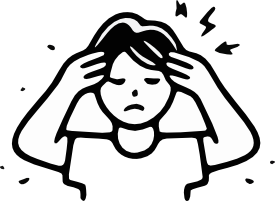
The most common form of depression. Symptoms are severe enough to interfere with daily life and last at least two weeks. Episodes may occur once or recur throughout life.

Persistent Depressive Disorder (Dysthymia)
A chronic form of depression lasting two years or more. Symptoms may be less intense than major depression but are long-lasting, making it feel like ‘this is just how I am.’ Many people with dysthymia experience high-functioning depression and never realize something is wrong. Poor sleep often makes it worse; understanding the connection between sleep problems and mental health can be an important part of recovery.

Seasonal Affective Disorder (SAD)
Depression that follows a seasonal pattern, typically worsening in fall and winter when there’s less sunlight. Common symptoms include low energy, oversleeping, and carbohydrate cravings.
Postpartum Depression
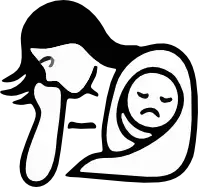
More than the “baby blues.” Postpartum depression can develop during pregnancy or after childbirth, causing severe mood swings, exhaustion, and difficulty bonding with your baby.

Situational Depression
Triggered by a specific event: job loss, divorce, death of a loved one, or military to civilian transition. While it’s a normal response to difficult circumstances, it can develop into major depression if left unaddressed.
Depression frequently co-occurs with anxiety and can sometimes be confused with bipolar disorder — especially if you’ve had periods of unusually high energy or mood. An accurate diagnosis is essential for effective treatment. If you’re in recovery from opioid addiction, learn about managing anxiety and depression during Suboxone treatment
When to Seek Help
Many people wait too long to get help for depression. They tell themselves it’s not that bad, that they should be able to handle it on their own, or that it will pass. But depression is a medical condition, and like any medical condition, it responds best to early treatment.
Consider reaching out if:
- Your symptoms have lasted more than two weeks
- You’re using alcohol or drugs to cope
- Your work or relationships are suffering
- You’ve lost interest in things you used to care about
- You’re having trouble functioning day-to-day
- You’ve had thoughts of hurting yourself
Not sure if what you are feeling qualifies? Here are the signs it’s time to seek psychiatric help. Asking for help isn’t a weakness; it’s the first step toward getting better. At MindWell, we make it easy to take that step with same-day appointments and a judgment-free environment.

How MindWell Treats Depression
At MindWell Psychiatric Services, we take a personalized approach to depression treatment. There’s no one-size-fits-all solution, which is why we start by understanding your specific symptoms, history, and goals.
Psychiatric Evaluation
Your treatment begins with a comprehensive psychiatric evaluation. We’ll discuss your symptoms, medical history, lifestyle, and what you’ve tried before. This helps us understand what’s really going on and create a plan that makes sense for you.
Medication Management
For many people, medication is an effective part of depression treatment. Antidepressants work by balancing brain chemicals that affect mood. We carefully select medications based on your symptoms and monitor your response, making adjustments as needed.
If you’ve tried antidepressants before without success, don’t give up. Here’s what to do when your antidepressant stops working. Finding the right medication can take time, but we have tools to speed up the process.
Genetic Testing
Tired of the trial-and-error approach to medication? Genetic testing analyzes your DNA to identify which medications are most likely to work for you. It takes the guesswork out of prescribing and helps you find relief faster. Research also suggests that folate metabolism may play a role in depression, learn more about leucovorin and its potential benefits for patients who haven’t responded to traditional treatments.
Personalized Treatment Plans
Your treatment plan is built around your life. We consider your symptoms, schedule, preferences, and goals. Whether that means medication, therapy referrals, lifestyle changes, or a combination, we create a plan that works for you.
Ongoing Support
Depression treatment isn’t one-and-done. We provide ongoing medication management and regular check-ins to monitor your progress. If something isn’t working, we adjust. You’re never left to figure it out alone.

Getting Started with Depression Treatment
Taking the first step is often the hardest part. Here’s what to expect when you reach out to MindWell.
Step 1: Schedule an Evaluation
Contact us by phone or through our website to book your first appointment. Same-day appointments are available for cash-pay patients, and we typically see insurance patients within a few days.
Step 2: Your First Visit
Your initial visit is a comprehensive psychiatric evaluation lasting 60-90 minutes. We’ll talk about your symptoms, history, and goals. Come prepared to share what’s been going on, the more we understand, the better we can help.
What to bring:
- Insurance card (if applicable)
- List of current medications
- Notes on your symptoms and questions you want to ask
Step 3: Your Treatment Plan
Based on your evaluation, we’ll create a personalized treatment plan. This may include medication, therapy referrals, lifestyle recommendations, or a combination. We’ll explain everything clearly so you know exactly what to expect.
Step 4: Ongoing Care
We schedule regular follow-up appointments to monitor your progress and make adjustments as needed. Depression treatment is a journey, and we’re with you every step of the way.
Frequently Asked Questions
Can depression be cured?
Depression is highly treatable, and most people experience significant improvement with proper care. Some people have a single episode and never experience depression again. Others may have recurring episodes that require ongoing management. Either way, treatment helps you live a full, functional life.
How long does depression treatment take?
Everyone responds differently. Some people feel better within a few weeks of starting treatment. Others need several months to find the right medication or approach. We monitor your progress closely and adjust as needed.
Do you prescribe antidepressants?
We offer same-day appointments for cash-pay patients. For insurance appointments, we typically can see you within a few days.
What if medication doesn't work for me?
If one medication doesn’t work, we try another. We also offer genetic testing to identify which medications are most likely to be effective for you based on your DNA. There are many options, and we won’t give up until we find what works.
Do you offer telehealth for depression treatment?
Yes. After an initial in-person evaluation, follow-up appointments can be conducted via telehealth. This makes ongoing care convenient and accessible from the comfort of your home.
Does insurance cover depression treatment?
Yes, most insurance plans cover psychiatric services for depression. We accept most major insurance plans, including Ambetter, CHAMPVA, Cigna, Optum, Medicaid, Medicare, United Healthcare, Tricare, TriWest, Molina, Aetna, Carelon, and Anthem Blue Cross Blue Shield.
Get the care that is right for you
Depression doesn’t have to control your life. With the right treatment, you can feel like yourself again. At MindWell Psychiatric Services, we’re here to help you take that first step.
We are located at “800 N Rainbow Blvd, Suite 208, Las Vegas, NV 89107”
Phone: (702) 530-2549
Open from 10:00 AM to 06:00 PM | Tuesday to Saturday