- (702) 530-2549
- admin@mindwellpsychiatricservices.com
- Tue - Sat: 10:00 AM - 06:00 PM

OCD Treatment in Las Vegas
Break Free from Obsessive Thoughts and Compulsive Behaviors

Schedule an Appointment
What Is OCD?
OCD: Obsessive-Compulsive Disorder, is a mental health condition characterized by unwanted, intrusive thoughts (obsessions) and repetitive behaviors (compulsions) performed to relieve anxiety. It’s not about being neat or organized. It’s a serious condition that can consume hours of your day and significantly impair your quality of life.
At MindWell Psychiatric Services, we provide expert OCD treatment in Las Vegas. OCD is highly treatable, and with the right combination of medication and therapy, most people experience significant relief. If intrusive thoughts and rituals are controlling your life, we’re here to help you break the cycle.
Understanding OCD
OCD affects approximately 2-3% of the population. It typically begins in childhood, adolescence, or early adulthood, though it can develop at any age. Many people with OCD suffer for years before seeking help, often because they’re embarrassed or don’t realize their symptoms are treatable.
OCD isn’t a personality quirk or a choice. It’s a neurological condition involving specific brain circuits. The intrusive thoughts aren’t something you want or can simply stop thinking. And the compulsions aren’t things you enjoy doing; they’re things you feel driven to do to escape overwhelming anxiety.
The good news is that OCD responds well to treatment. Medication combined with specialized therapy can dramatically reduce symptoms and help you reclaim your life.
How OCD Affects Daily Life
OCD can be incredibly time-consuming and distressing. The cycle of obsessions and compulsions can take over your day:
- Time — Rituals can consume hours daily, leaving little time for work, relationships, or enjoyment
- Relationships — Seeking constant reassurance, involving others in rituals, or avoiding people due to contamination fears
- Work and school — Difficulty concentrating, perfectionism paralysis, frequent lateness due to rituals
- Mental health — Constant anxiety, shame, depression, and exhaustion
OCD-related anxiety can sometimes escalate into full panic episodes. If you are experiencing both, understanding the difference between panic attacks and anxiety attacks can help you and your provider create a better treatment plan. - Physical health — Skin damage from excessive washing, sleep deprivation, and avoidance of medical care
Without treatment, OCD tends to persist and often worsens. But with proper care, most people see significant improvement.
Signs and Symptoms of OCD
OCD involves two main components: obsessions (intrusive thoughts) and compulsions (repetitive behaviors). Most people have both, though some may experience primarily one or the other.
Common Obsessions:
- Fear of contamination (germs, dirt, chemicals)
- Fear of harming yourself or others
- Unwanted sexual or violent thoughts
- Need for symmetry or exactness
- Fear of losing or discarding important items
- Religious or moral obsessions (scrupulosity)
- Fear of making mistakes or being responsible for something bad happening
Common Compulsions:
- Excessive washing or cleaning
- Checking (locks, stove, appliances) repeatedly
- Counting, tapping, or repeating words
- Arranging items in specific ways
- Seeking reassurance from others
- Mental rituals (praying, reviewing, neutralizing thoughts)
- Avoiding situations that trigger obsessions
Signs OCD May Be Affecting You:
- You spend more than an hour a day on obsessions or compulsions
- The thoughts and behaviors cause significant distress
- OCD interferes with work, relationships, or daily activities
- You recognize the thoughts are irrational, but can’t stop them
- Rituals provide only temporary relief
OCD often comes with insight; you know the thoughts don’t make sense, but you can’t stop the cycle. This awareness can make OCD even more frustrating.
Types of OCD
OCD Manifests in Many Different Ways

Contamination OCD
Fear of germs, dirt, illness, or contamination leading to excessive washing, cleaning, or avoidance. May fear spreading contamination to others.
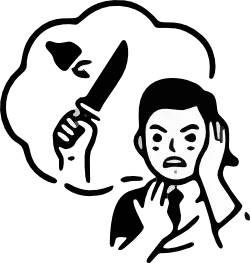
Harm OCD
Intrusive thoughts about harming yourself or others. Leads to checking, avoiding “dangerous” objects, or seeking reassurance. The person does NOT want to act on these thoughts.

Symmetry and Ordering OCD
Need for things to be symmetrical, aligned, or in a specific order. Significant distress when things are “not right.” Excessive time arranging items.

Pure O (Primarily Obsessional)
Primarily intrusive thoughts with less visible compulsions. Mental rituals like reviewing or reassurance-seeking. Often taboo themes.

Hoarding OCD
Difficulty discarding items due to an obsessive fear of losing something important. Driven by fear rather than attachment to items.
OCD often co-occurs with anxiety and eating disorders, which share similar patterns of compulsive behavior. If you’re struggling with more than one of these conditions, integrated treatment can address them together.
When to Seek Help
Many people with OCD delay seeking help because they’re embarrassed or don’t realize treatment exists. If OCD is affecting your life, help is available.
Consider reaching out if:
- You spend significant time each day on obsessions or compulsions
- Intrusive thoughts cause significant distress
- Rituals are interfering with work, relationships, or daily activities
- You’re avoiding situations because of OCD fears
- You feel trapped in the obsession-compulsion cycle
- OCD is causing depression, anxiety, or hopelessness
OCD rarely improves on its own. But with proper treatment, most people experience significant relief. If you’re unsure whether your symptoms warrant professional care, read about the signs it’s time to seek psychiatric help. The sooner you start treatment, the sooner you can break free from the cycle.

How MindWell Treats OCD
At MindWell Psychiatric Services, we take a comprehensive approach to OCD treatment. Effective treatment typically combines medication with specialized therapy.
Comprehensive Evaluation
Your treatment begins with a thorough psychiatric evaluation. We’ll discuss your specific obsessions and compulsions, how they affect your daily life, and your treatment history. Understanding your unique OCD presentation helps us create an effective treatment plan.
Medication Management
Medication can significantly reduce OCD symptoms. SSRIs are the first-line medication treatment for OCD, often at higher doses than used for depression or anxiety. We carefully select and monitor medications to find what works best for you.
Genetic Testing
Finding the right medication can involve trial and error. Genetic testing can help identify which medications are most likely to work for your unique brain chemistry, potentially speeding up your path to relief.
Personalized Treatment Plans
OCD treatment isn’t one-size-fits-all. We consider your specific obsessions, compulsions, and life circumstances. We also provide referrals for Exposure and Response Prevention (ERP) therapy, which is the gold standard psychological treatment for OCD.
Ongoing Support
OCD management is an ongoing process. We provide regular medication management appointments to monitor your symptoms, adjust medications as needed, and support your overall treatment plan.
Getting Started with OCD Treatment
Taking the first step toward breaking free from OCD starts here. Here’s what to expect at MindWell.
Step 1: Schedule an Evaluation
Contact us by phone or through our website to book your first appointment. Same-day appointments are available for cash-pay patients.
Step 2: Your First Visit
Your initial visit is a comprehensive psychiatric evaluation lasting 60-90 minutes. We’ll discuss your obsessions, compulsions, and how OCD is affecting your life. You don’t need to share every intrusive thought; we just need to understand your experience.
What to bring:
- Insurance card (if applicable)
- List of current medications
- Notes on your symptoms and questions
Step 3: Your Treatment Plan
Based on your evaluation, we’ll create a personalized treatment plan. This typically includes medication and may include referrals for ERP therapy.
Step 4: Ongoing Care
We schedule regular follow-up appointments to monitor your progress and make adjustments as needed. Breaking free from OCD is a process, and we’re with you every step of the way.

Frequently Asked Questions
Can OCD be cured?
OCD is typically a chronic condition, but symptoms can be dramatically reduced with treatment. Many people achieve significant relief and can live full, functional lives with minimal interference from OCD symptoms.
How is OCD treated?
OCD is best treated with a combination of medication (usually SSRIs) and Exposure and Response Prevention (ERP) therapy. At MindWell, we provide medication management and can refer you to therapists who specialize in ERP.
Do you prescribe medication for OCD?
Yes. Michael Kuron is a board-certified psychiatric nurse practitioner who can prescribe and manage medications commonly used for OCD, including SSRIs at appropriate doses.
What if I'm embarrassed about my intrusive thoughts?
This is extremely common. Remember that intrusive thoughts are symptoms of a medical condition — they don’t reflect who you are or what you want. We’ve heard it all and are here to help, not judge.
Do you offer telehealth for OCD treatment?
Yes. After an initial in-person evaluation, follow-up appointments can be conducted via telehealth.
Does insurance cover OCD treatment?
es, most insurance plans cover psychiatric services for OCD. We accept most major insurance plans including Ambetter, CHAMPVA, Cigna, Optum, Medicaid, Medicare, United Healthcare, Tricare, TriWest, Molina, Aetna, Carelon, and Anthem Blue Cross Blue Shield.
Get the care that is right for you
OCD doesn’t have to control your life. With proper treatment, you can break free from the cycle of obsessions and compulsions and start living on your terms. At MindWell Psychiatric Services, we’re here to help you take that first step.
We are located at “800 N Rainbow Blvd, Suite 208, Las Vegas, NV 89107”
Phone: (702) 530-2549
Open from 10:00 AM to 06:00 PM | Tuesday to Saturday