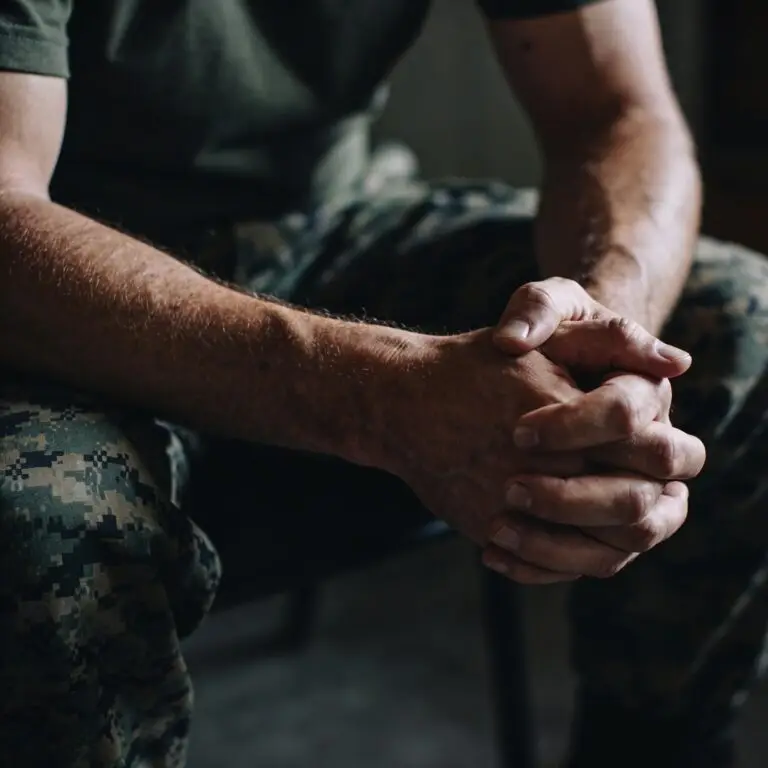

You came home from service carrying something heavy. But it is not flashbacks. It is not hypervigilance. It is not the startle response that makes you jump at loud noises.
It is guilt. Shame. The feeling that you did something unforgivable or failed to stop something you should have stopped. It sits in your chest like a weight that never lifts.
This might be moral injury. And it is not the same thing as PTSD.
The Short Answer
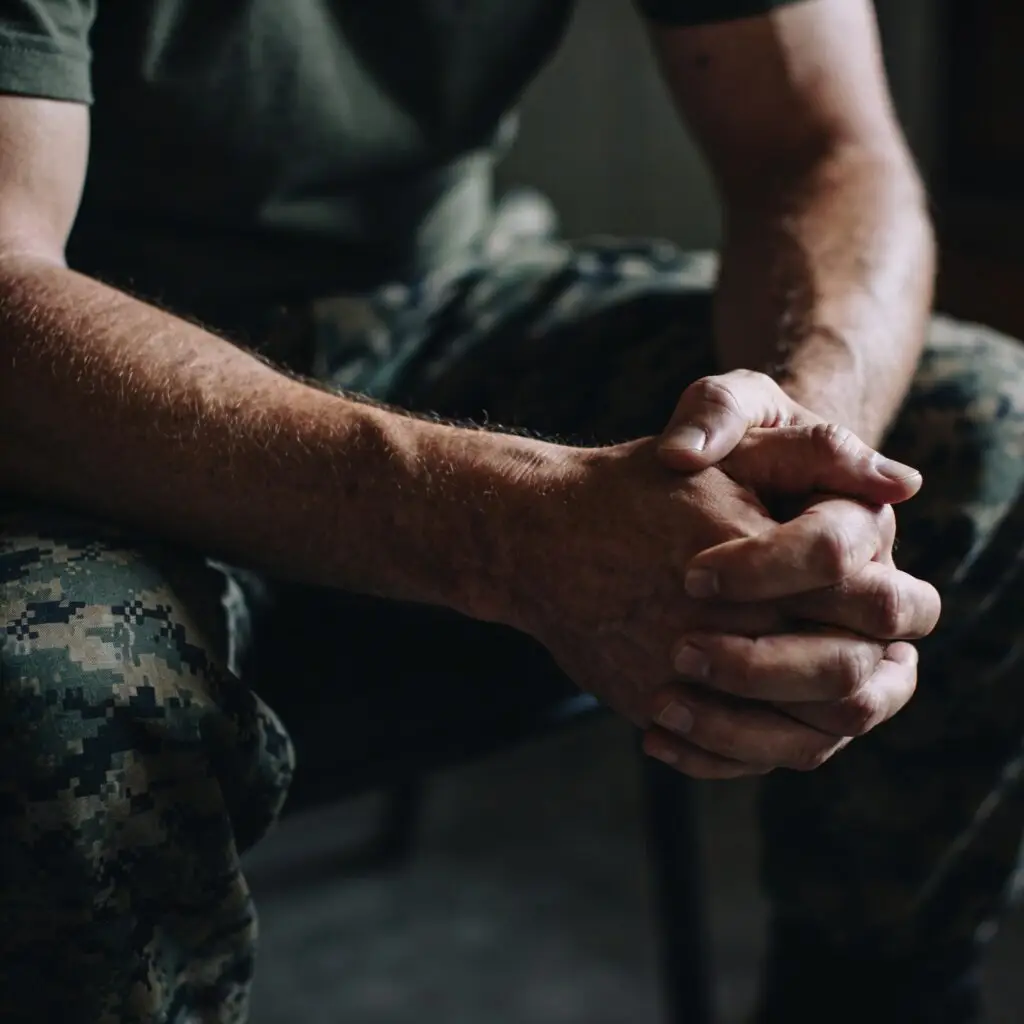
Moral injury happens when you experience, witness, or fail to prevent something that violates your deeply held moral beliefs. It causes intense guilt, shame, anger, and a loss of trust in yourself, in others, and sometimes in the world. Unlike PTSD, which is rooted in fear, moral injury is rooted in a broken sense of right and wrong. Many veterans have both, but they need different approaches to treatment.
How Moral Injury Is Different from PTSD
PTSD and moral injury can look similar on the surface. Both cause sleep problems, withdrawal from relationships, anger, and emotional numbness. But the underlying wound is different.
PTSD is a fear-based response. Your nervous system gets stuck in survival mode after a life-threatening experience. Treatment for PTSD focuses on helping your brain process the threat and turn off the alarm.
Moral injury is a values-based wound. Something happened that shattered your understanding of what is right. The pain comes not from fear but from a sense of betrayal; by yourself, your unit, your leadership, or the situation you were placed in.
A veteran with PTSD might avoid a crowded parking lot because it triggers a fear response. A veteran with moral injury might avoid their family because they believe they do not deserve to be around good people.
Both are real. Both deserve treatment. But the treatment needs to match the wound. If you are only being treated for PTSD when you also have moral injury, you may feel like treatment is not working. That is not because you are broken. It is because the real wound has not been addressed.
What Causes Moral Injury in Veterans
Moral injury does not require combat. It can come from many military experiences.
Actions you took. Killing in combat, even when the rules of engagement justified it. Decisions made under impossible time pressure that resulted in civilian casualties. Following orders you believed were wrong.
Actions you failed to take. Not being able to save a fellow service member. Witnessing abuse or misconduct and not reporting it. Freezing in a moment when you believe you should have acted.
Betrayals you experienced. Leadership making decisions that put lives at unnecessary risk. Being sexually assaulted by someone in your chain of command. Feeling abandoned by the military after giving everything you had.
The system itself. Discovering that a mission you believed in was based on flawed intelligence. Feeling that your sacrifice was meaningless. Watching the country you served seem indifferent to what you went through.
None of these require you to be the “bad guy.” Moral injury does not mean you did something wrong. It means something happened that broke something inside you.
What Moral Injury Feels Like
Veterans with moral injury often describe these experiences. A constant sense of guilt or shame that does not go away no matter what they do. Feeling like they are a fundamentally bad person. Difficulty trusting anyone, including themselves. Withdrawal from family, friends, and activities they used to enjoy. Loss of faith in God, in the government, in humanity.
Anger that seems out of proportion to everyday situations. Difficulty feeling emotions at all, especially positive ones. A sense that they do not deserve good things; happiness, love, success.
Many veterans with moral injury also develop depression that feels different from typical depression. It is not just sadness. It is a deep sense of unworthiness that colors everything.
Why It Often Gets Missed
Moral injury is not in the DSM-5 as a formal diagnosis. That means many providers do not screen for it. If you go to a psychiatric provider and describe guilt, shame, anger, and withdrawal, you are likely to receive a PTSD diagnosis or a depression diagnosis. Both may be accurate, but they may not capture the full picture.
The veteran community has been talking about moral injury for years, but the clinical world is still catching up. Research from the VA and military psychologists has expanded our understanding significantly, but not every provider is up to date.
This is why it matters who your provider is. A psychiatric nurse practitioner who understands military experience can recognize moral injury even without a formal diagnostic code. They can incorporate it into your treatment plan alongside any other diagnoses.
How Moral Injury Is Treated
Treatment for moral injury is still evolving, but several approaches have shown promise.
Medication can address the depression, anxiety, and sleep problems that accompany moral injury. Stabilizing your brain chemistry makes it possible to engage in deeper therapeutic work. Your provider can discuss medication options during your psychiatric evaluation.
Adaptive Disclosure is a therapy specifically designed for moral injury in military populations. It helps veterans process the specific events that caused the wound and work through guilt and shame in a structured way.
Cognitive Processing Therapy helps you examine the beliefs you formed after the morally injurious event; beliefs like “I am a monster” or “nothing I do matters” and test whether those beliefs are accurate.
Peer support from other veterans who understand moral injury can reduce isolation and shame. Knowing you are not the only one carrying this weight makes a real difference.
The most effective treatment combines multiple approaches. A qualified provider helps you figure out what combination works for your specific situation.
Why MindWell Understands Moral Injury
Michael Kuron, MSN, APRN, PMHNP, served as a Navy Corpsman attached to the Marines and deployed to Iraq. He has worked with veterans at the VA and now in private practice.
He understands that not every wound from service is PTSD. He understands the weight of moral injury because he has seen it in his fellow service members and in the veterans he has treated for years.
At MindWell, veteran mental health is not an afterthought. It is a core part of the practice. Your treatment plan will address what you are actually carrying — not just what fits neatly into a diagnostic code.
FAQs
Is moral injury treatable?
Yes. While the term is newer in clinical settings, the treatments available, medication, therapy, and peer support; can significantly reduce guilt, shame, and other symptoms.
Is moral injury a mental illness?
Moral injury is not a formal diagnosis in the DSM-5. It is a concept that describes a specific type of psychological wound. However, it often co-occurs with PTSD, depression, and anxiety, which are diagnosable conditions.
Does the VA treat moral injury?
Absolutely. Veterans deal with depression, anxiety, insomnia, anger issues, substance use, and many other conditions. You do not need a PTSD diagnosis to deserve treatment.
Can moral injury happen outside of combat?
es. Military sexual trauma, leadership betrayals, witnessing misconduct, and the moral weight of following unjust orders can all cause moral injury without any combat exposure.
Can you have both PTSD and moral injury?
Yes. Many veterans have both. PTSD involves fear-based responses to trauma, while moral injury involves guilt and shame from events that violated your moral code. Treatment should address both.
You Are Not What Happened to You
Moral injury tells you that you are broken. That is a lie. What happened to you, or what you were forced to do” does not define who you are.
Healing is possible. It starts with talking to someone who understands.