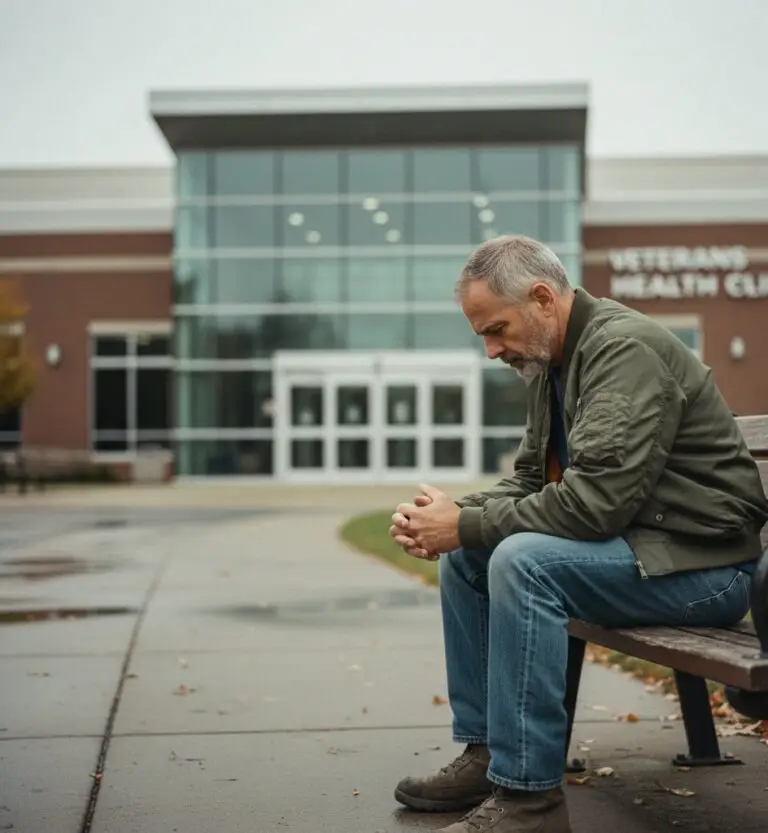

You survived combat. You survived training. You survived deployments that pushed you to your limit. But the thought of sitting in a psychiatrist’s office feels harder than any of that.
If that sounds familiar, you are not alone. And there is nothing wrong with you for feeling that way.
Military culture taught you to be strong. To push through. To never show weakness. Those lessons kept you alive in service. But after service, they can keep you stuck.
The Short Answer
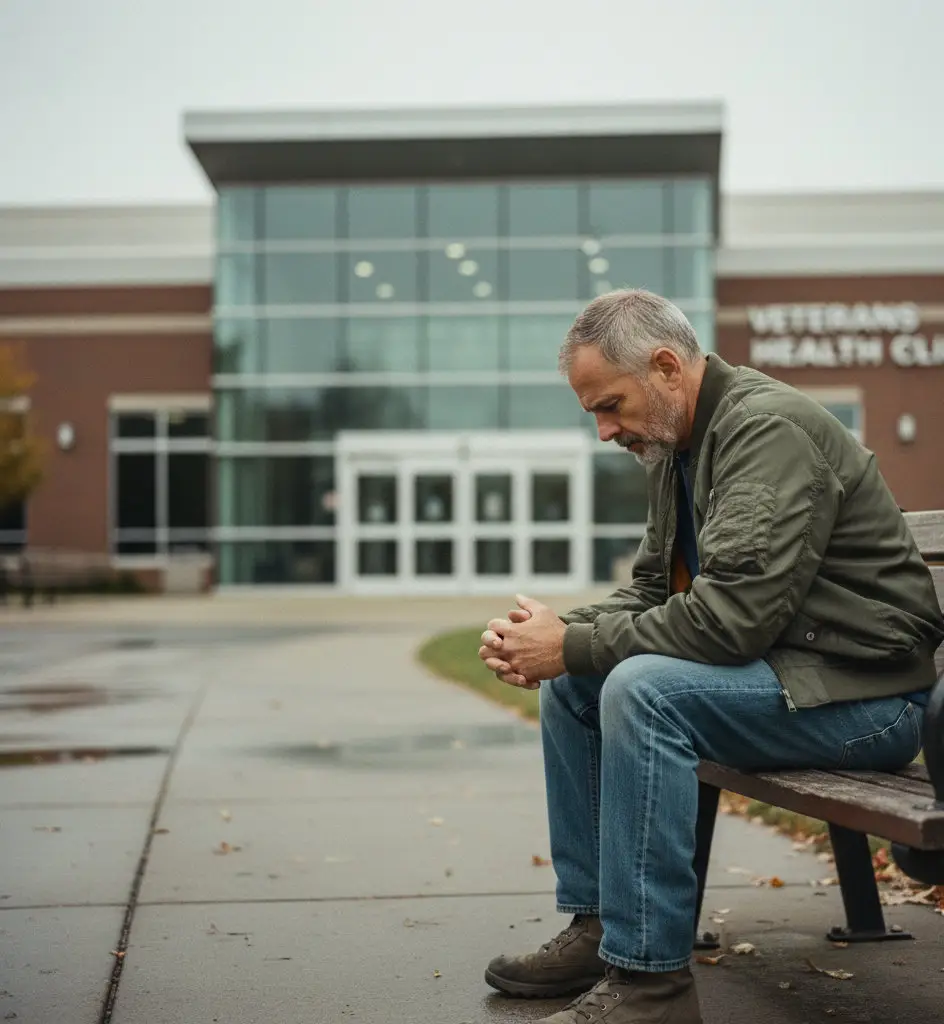
Most veterans avoid mental health care because of stigma — both from military culture and from within themselves. The belief that seeking help means weakness is deeply ingrained. But getting treatment is not weakness. It is the same tactical decision-making the military taught you. You identify a problem, assess your options, and take action.
The Military Taught You to Suffer in Silence
From day one of basic training, you learned that pain is temporary and complaining is unacceptable. You learned to keep moving no matter what. These are survival skills in combat. They are not survival skills in civilian life.
When you carry that same mindset into your mental health, you end up white-knuckling through depression, anxiety, and PTSD for years. You tell yourself you are fine. You tell your family you are fine. And every day gets a little harder.
The military did not teach you to handle emotional pain because the mission did not allow time for it. That does not mean the pain is not real. It means you were never given the tools to deal with it.
What Stigma Actually Looks Like
Stigma is not always someone calling you weak to your face. Most of the time, it is quieter than that.
It is convincing yourself that other people have it worse. It is believing that because you were not in the worst combat zone, you do not deserve help. It is thinking that your problems are not serious enough to justify seeing a psychiatrist.
It is the fear that getting a diagnosis will go on your record and affect your career, your security clearance, or how people see you. For active-duty service members, this fear has some basis in reality, though the military has made significant improvements in confidentiality protections.
For veterans who have already separated, there is no career consequence. There is no record that follows you. Seeing a civilian psychiatrist is a private medical decision between you and your provider.
"I Should Be Able to Handle This on My Own"
This is the most common thing veterans tell themselves. And it is the most dangerous.
You would never try to set your own broken leg. You would go to a doctor. Mental health is no different. PTSD, depression, and anxiety are medical conditions that affect your brain chemistry. They require medical treatment.
Handling it on your own usually means self-medicating with alcohol, isolating from family and friends, pushing through with anger that gets worse over time, or refusing to sleep because the nightmares are too bad.
These are not coping strategies. They are survival mechanisms that create new problems while leaving the original one untreated.
Some veterans turn to substances to manage their symptoms. If that sounds familiar, treatment for both addiction and mental health at the same time gives you the best chance at recovery. MindWell offers Suboxone treatment alongside psychiatric care because these issues are often connected.
What Changes When You Get Help
Veterans who get psychiatric treatment consistently report the same things. They sleep better. They have fewer nightmares. Their anger becomes manageable. Their relationships improve. They feel like themselves again for the first time in years.
Treatment does not erase what you went through. Nothing can do that. But it gives you tools to carry it without being crushed by it.
A psychiatric evaluation is the first step. Your provider assesses your symptoms, your history, and your goals. Then you build a treatment plan together. Medication, therapy, or both, whatever fits your situation.
The process is straightforward. And at MindWell, your provider actually understands military life because he lived it.
Why Your Provider Matters
Most civilian psychiatrists have never served. They have never deployed. They do not understand what it means to transition from a structured military environment to the chaos of civilian life.
Michael Kuron, MSN, APRN, PMHNP, served four years as a Navy Corpsman attached to the Marines, including a deployment to Iraq. After leaving the military, he worked at the VA in inpatient mental health, caring for veterans every day.
He opened MindWell because he saw too many veterans falling through the cracks — waiting months for VA appointments, getting 15 minutes with a provider who did not listen, and leaving without real help.
At MindWell, you get a provider who understands veteran mental health because he has been where you have been. You do not have to explain what a deployment does to you. He already knows.
Read more about why so many veterans struggle to find psychiatrists who understand.
Asking for Help Is a Tactical Decision
Think about it the way the military taught you to think. You have a mission: live a good life after service. You have an obstacle: untreated mental health issues. You have resources available: professional psychiatric care.
Ignoring the obstacle does not make the mission succeed. It makes it fail.
Getting help is not giving up. It is adapting your strategy to the situation in front of you. That is exactly what the military trained you to do.
FAQs
Can I do appointments online?
Yes. MindWell offers telehealth appointments for veterans throughout Nevada.
What if I had a bad experience with the VA?
Many veterans have. MindWell is a private practice that operates differently — shorter wait times, longer appointments, and a provider who treats you like a person.
What if I do not have PTSD? Can I still get help?
Absolutely. Veterans deal with depression, anxiety, insomnia, anger issues, substance use, and many other conditions. You do not need a PTSD diagnosis to deserve treatment.
Will seeing a psychiatrist go on my military record?
No. If you have separated from the military, civilian psychiatric care is private medical information. It does not go on any military record.
Does MindWell accept TRICARE and CHAMPVA?
Yes. MindWell accepts TRICARE, CHAMPVA, and most major insurance plans.
You Already Survived the Hard Part
Service was the hard part. Getting help is the smart part.